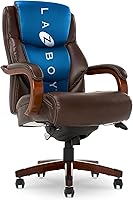
How Much Space to Leave Behind a Desk Chair
Leave 12 to 18 inches of clear space behind a desk chair, plus room for the chair to roll back when you stand. For most home desks, that means about 30 inches of open floor from the desk edge to the nearest wall or furniture.
On this page (12 sections)
- What is the basic clearance rule behind a desk chair?
- How deep should the desk be for the chair to fit?
- How much room does the chair need to roll back?
- How much side space should a desk chair have?
- Why do wheels and floor surface change the space you need?
- How do you measure clearance in a small home office?
- Does a floor mat or rug affect the clearance plan?
- How do you handle clearance when the desk sits against a wall?
- What should you do when the room is too tight for the ideal gap?
- How much space to leave behind a desk chair in a shared or home office?
- How does chair size change the clearance you need?
- What's a realistic clearance plan for most home offices?
Leave 12 to 18 inches of clear space behind a desk chair, plus enough floor for the chair to roll back when you stand. For most home desks, that means about 30 inches of open floor from the desk edge to the nearest wall or furniture.
The number that matters is how much space to leave behind a desk chair when it sits against a wall. Measure the deepest position the seat reaches when you push back, then add a few inches of margin.
This guide walks through the desk depth, the roll-back distance and the side gaps that keep a home office workable.
What is the basic clearance rule behind a desk chair?
Plan 12 to 18 inches of clear floor behind the chair at rest, with about 30 inches to the nearest wall so the chair can roll back fully. The gap you need depends on how far you slide the seat out when you stand.
A chair pushed in under the desk needs little room. The clearance question starts the moment you sit down and pull the seat back.
A typical task chair rolls back 12 to 20 inches from its tucked position.
Add a walking gap if people pass behind the desk. That pushes the total to 36 inches or more.
In a corner office, a chair often rolls sideways instead, so a side gap can replace some of the rear space.
Measure from the desk edge, not the wall, to keep the math simple. A 24-inch-deep desk against a 10-foot wall leaves plenty of room, while a shallow nook needs tighter planning.
How deep should the desk be for the chair to fit?
A desk 24 to 30 inches deep gives a chair room to slide under and pull out, while a 20-inch desk leaves the seat sticking out into the walkway.
Deep desks push the seated position forward, so the wall behind gets closer to the chair. A 30-inch desk in a 6-foot nook leaves about 42 inches behind the chair, which is comfortable.
A 20-inch desk in the same nook leaves more floor but less legroom under the top.
Check the knee space too. A modesty panel or drawers reduce how far the chair slides under, so it needs more rear clearance.
Open-frame desks let the chair tuck in fully and free up floor.
Decide the seating position first. Put the desk where you want your screen to sit, then measure backward to the wall.
How much room does the chair need to roll back?
Allow about 30 inches of travel from the tucked position so the chair clears the desk edge when you stand. Wheel size changes how quickly the seat covers that distance.
Stock casters are 2 inches or smaller and roll short distances per push. Larger 3-inch rollerblade-style wheels cover more ground with each shove, so the chair reaches the wall faster.
In a tight room, plan for that extra travel.
What changes is momentum. A heavier chair with smooth casters glides further after a light push.
Measure your own roll-back: sit at the desk, push away as you would to stand, and mark where the rear wheel stops. Add 2 inches so the wall doesn't stop the chair before you're clear.
How much side space should a desk chair have?
Leave about 6 inches on each side of the seat so the arms clear desk drawers, walls and filing cabinets. Wide executive chairs and corner desks need more.
Armrests are the usual snag. If the desk has side drawers, the chair can hit them as it rotates.
In a corner, the walls sit close on two sides, so rear clearance becomes more important and a chair that swivels well helps.
Measure the widest point of the chair, usually across the arms. Add 6 inches per side to get the minimum bay width.
For a standard 26-inch-wide task chair, that's about 38 inches between walls or cabinets.
Why do wheels and floor surface change the space you need?
Smooth hard floors let the chair travel farther, so plan for more roll-back, while carpet slows the wheels and needs less travel room.
On hardwood and laminate, casters glide easily and the chair can slide several feet with one push. That's why a chair against a wall on a hard floor needs the full 30 inches.
Soft carpet adds friction and stops the chair sooner.
Casters matter too. The {{product B01G643EU6 | Five stem-mount casters with polyurethane wheels that glide quietly on wood, laminate and tile.}} come as a 5-pack with a 650 lb load capacity.
Lifelong says the wheels won't scratch hard floors, so a mat is less necessary. Plan the clearance for the wheels you'll actually use.
How do you measure clearance in a small home office?
Measure from the desk edge to the nearest obstacle, then subtract the space the chair occupies when tucked. If the answer is under 30 inches, choose a chair that rolls short distances or stand sideways.
Mark the desk edge and the wall or cabinet behind it with a tape measure. Next, sit in the chair and push back as you would to leave.
Have a helper mark where the rear wheel stops. Compare the two marks.
In rooms under 30 inches of rear clearance, use a swivel base and roll the chair to one side. A stool or a chair with a smaller footprint helps when the wall is fixed.
Our guide to the executive office chair covers wider seats that need more side room, so measure the bay before buying one.
Does a floor mat or rug affect the clearance plan?
A chair mat doesn't change the clearance you need, but it adds a lip at the edge and can catch small casters. Keep the mat inside the clear zone so the chair stays on it when you roll back.
Mats protect hardwood from scratches and make rolling easier. They also create a small ramp at the edge that a 2-inch caster can stumble over.
A 3-inch wheel rolls over the lip more smoothly.
Size the mat to cover the seated area plus the roll-back path. A mat that ends before the wall leaves bare floor where the chair wheels land.
On carpet, a protector firms up the rolling surface and makes the chair easier to push back.
How do you handle clearance when the desk sits against a wall?
When the desk backs onto a wall, the chair must roll sideways or the desk must move out, so plan a side lane of at least 30 inches.
The simplest fix is to pull the desk 12 to 18 inches away from the wall. A shallow console or a cable tray can fill the gap behind the desk.
If the desk must stay against the wall, use a chair you can swing out to one side and leave a clear lane beside the desk so it can exit without hitting shelves.
This is where a smooth-rolling chair pays off. The {{product B01CTIG4GE | Three-inch polyurethane wheels with a stem mount that pop into most rolling chairs without tools.}} spin easily, so you can turn and roll out to the side in one motion.
The Office Oasis sells a lifetime warranty on the set.
What should you do when the room is too tight for the ideal gap?
Shrink the desk or the chair footprint rather than the safety gap. A 12-inch rear gap is the practical floor, and below that, you'll push the seat into the wall every time you stand.
Try these fixes in order. First, move the desk forward a few inches if the room allows.
Second, swap a wide executive chair for a slimmer task chair. Third, clear shelves and boxes from the roll-back path.
A chair with a swivel base and a compact seat needs less travel than a big padded model. If you work in a bedroom corner, a small desk and a simple chair beat a wide setup that never quite fits.
Spills and dust build up in tight gaps. A quick pass with the {{product B0CBSZR9NF | A compact portable cleaner with four tools for spot cleaning carpet and upholstery near the desk.}} handles crumbs and marks on the floor or chair fabric.
Shark says it weighs under 9 lb and stores in a closet.
How much space to leave behind a desk chair in a shared or home office?
Use 30 inches as the standard rear gap and 36 inches if anyone walks behind the desk. That keeps the chair clear of the wall and leaves a path for other people.
For a home office, a 30-inch rear gap covers sitting and standing. If a partner or pet passes behind the desk, widen it to 36 inches.
A shared office with foot traffic needs the wider figure.
Measure the whole zone, not just the chair's resting spot. Leave the gap empty so nothing catches the casters.
If the room won't take 36 inches, put the desk against a low cabinet instead of a wall. Our guide to the best office chair under 200 covers compact models that suit tighter rooms.
How does chair size change the clearance you need?
Bigger chairs need more rear and side room, mostly because the seat and arms push the footprint wider. Measure the base and the arm span before you buy.
A mesh-back chair is usually lighter than a padded executive chair. Lighter chairs roll farther on smooth floors with a light push, so they can mean more travel room even with a smaller footprint.
A wide executive chair adds inches on each side, so look for flip-up arms if side space is tight.
Our guide to whether mesh back office chairs are good explains how the back style affects weight and movement. Either way, the clearance rule stays the same: 12 to 18 inches behind, 30 inches to stand.
What's a realistic clearance plan for most home offices?
For most home desks, plan a 30-inch rear gap, 6 inches per side and a clear path to stand. That covers the space to leave behind a desk chair without crowding the room.
Pull the desk 12 to 18 inches from the wall if you can. Then measure the chair's roll-back and add 2 inches of margin.
Check the side gaps with the arms at their widest. If the room is small, choose a compact chair and clear the floor behind it.
Once the numbers fit, the desk stays comfortable all day. For spending guidance on the chair itself, see how much should I spend on an office chair before you buy.
Frequently asked questions
How much space should I leave behind a desk chair against a wall?
Leave at least 12 inches between the back of the chair and the wall when you sit, and aim for 30 inches of clear floor for rolling back. If the room is tight, slide the chair sideways to stand rather than pushing straight back.
Does the wheel size change how much room a desk chair needs?
Bigger casters roll further with each push, so the chair covers ground faster. Larger wheels like 3-inch casters need slightly more travel room than small stock casters, which matters most in narrow rooms.
Can a desk chair mat change the space I need behind the chair?
A mat protects the floor but adds a lip you roll over. It doesn't reduce the clearance you need, so measure the mat edge and keep the same 12 to 18 inch gap behind the chair.
Should I leave space on the sides of a desk chair too?
Yes. Leave about 6 inches on each side so the arms clear the desk drawers and walls.
Side clearance matters more with wide executive chairs and when your desk sits in a corner.
How much room does a person need to stand up from a desk chair?
Allow about 30 inches behind the seat for a comfortable stand. That gives room to push back and swing your legs out without hitting the desk edge or a wall.