How Much Should I Spend on an Office Chair?
Spend enough to get a chair that fits your body and daily routine. A basic chair may suit occasional use, while frequent work can justify more adjustments and a wider choice of materials.
On this page (7 sections)
- How much should you spend on an office chair for daily use?
- What changes the cost of an office chair?
- How can you set a sensible office chair budget?
- Is a budget office chair enough?
- When is it worth spending more on an office chair?
- What should you check before buying an office chair?
- How much is an office chair worth to you?
Spend enough on an office chair to get a good fit and the adjustments you need for your workday. If you sit for only short periods, a basic chair may be enough; for daily desk work, useful adjustments can matter more than an impressive finish.
There isn't one right budget for everyone. Start with how often you sit, how long your work sessions last, and which parts of your current setup cause discomfort or get in the way.
How much should you spend on an office chair for daily use?
For daily use, spend enough to get a chair with the right fit, stable construction, and adjustments you'll use. The average cost of an office chair varies because chairs range from simple task models to executive and ergonomic designs.
Price alone doesn't tell you whether a chair suits your body. Compare seat dimensions, height adjustment, lumbar support, arm position, and recline features against your desk and the way you work.
A chair with adjustable lumbar support may help you position its support where you need it. A larger set of adjustments can be useful if you change posture often, but only if the controls are easy for you to set.
If you want to compare chairs for extended work sessions, see our guide to best home office chairs for long workdays. It can help you weigh daily-use features against your own workspace needs.
What changes the cost of an office chair?
Adjustability, materials, and construction are the main factors to compare. They can explain why two chairs with similar shapes serve different budgets and routines.
Do chair adjustments justify a higher budget?
Adjustments can justify spending more when they solve a fit problem. A chair with adjustable arms, lumbar support, or recline gives you ways to change its position instead of relying on one fixed setup.
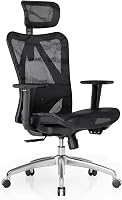
The Marsail High Back Mesh Chair has adjustable lumbar support that moves forward and backward as well as up and down. Its arms move forward and back, swivel, and flip up, which may suit a desk where you want to tuck the chair away.
The SIHOO M57 Mesh Office Chair has a tilting, lifting headrest, lumbar support that shifts in height and depth, and a recline range from 90° to 126°. Those adjustments may fit a routine that includes changing posture during the day.
Compare these adjustments with your needs before deciding how much to spend. If a feature won't help with your desk setup or work habits, it may not be worth paying extra for.
Do materials make an office chair worth more?
Materials can change the feel and care needs of a chair, but they don't guarantee a better fit. Mesh backs allow airflow, while upholstered chairs use a solid surface and may have padded seats and backs.
The La-Z-Boy Bradley Executive Chair has a bonded leather finish, fixed ring-shaped arms, lumbar and head support, and swivel-tilt with adjustable tension control. It may suit someone who wants an executive style and fixed arm position.
The Amazon Basics Mid-Back Task Chair has faux leather upholstery, a padded seat, backrest, and arms, plus adjustable height and tilt control. It may suit a simpler workspace where those basic controls and a mid-back design are enough.
For help comparing airflow and upholstery, read are mesh back office chairs good?. The best material depends on your preferences and how you use the chair.
How can you set a sensible office chair budget?
Set a budget by listing what the chair must do, then compare models that meet those needs. This keeps optional finishes and features from distracting you from fit.
Write down how many hours you sit, whether you need the chair to tuck under a desk, and what adjustments would help you change posture. Measure your desk and available floor space before comparing chair dimensions.
Then sort features into essentials and extras. A height adjustment may be essential for matching the seat to your desk, while a headrest may matter less if you rarely lean back.
Our guide to what makes a good office chair for home work covers the features that can make a chair a better match for a workspace. Use it to check your list before choosing a price range.
Is a budget office chair enough?
A budget chair can be enough if it fits you, suits your desk, and has the basic adjustments you need. It may be a practical choice for occasional use or a secondary workspace.
The Amazon Basics Mid-Back Task Chair offers adjustable height and seat angle, tilt control, padded surfaces, and a 360° swivel. Those features cover several basic needs without requiring a large set of adjustments.
If you sit for long stretches, check the seat dimensions and back height before deciding. A chair that is hard to position at your desk can become a poor fit even if it has the controls you want.
Compare options in best office chairs under 200 dollars, then check which models suit your measurements and work routine.
When is it worth spending more on an office chair?
Spending more may make sense when a chair's adjustments address a specific need or you expect to use it often. The key is to pay for useful fit options, not a feature list by itself.
The Marsail's adjustable lumbar support and movable arms may help if you need to fine-tune where support and armrests sit. The SIHOO M57 offers adjustable lumbar support, a tilting and lifting headrest, and recline for people who want more ways to change position.
An executive chair may fit your preferences if you want bonded leather upholstery and fixed ring-shaped arms. The La-Z-Boy Bradley combines those features with swivel-tilt tension control, while the Amazon Basics chair offers a simpler set of height and tilt adjustments.
Check measurements against your body and desk before paying more. If you can't confirm that the seat, back, and arms fit your setup, keep comparing.
What should you check before buying an office chair?
Check dimensions, adjustments, assembly needs, and warranty terms before you decide. Those details help you understand what your budget buys and whether the chair suits the space.
Measure the height under your desk and the floor space around it. Compare seat width and depth, back height, and arm position with the space available and how you prefer to sit.
Review the features you expect to use. For example, flip-up arms can help when you want to slide a chair under a desk, while adjustable lumbar support lets you change the support's position.
Also check assembly instructions and warranty details. Don't assume chairs in a similar price tier offer the same coverage or setup requirements.
How much is an office chair worth to you?
The right amount to spend depends on how often you sit and which features improve the fit. Choose a basic chair if it meets your needs; consider more adjustments when they solve a clear workspace or posture preference.
Choose the Amazon Basics Mid-Back Task Chair for basic height and tilt adjustments. Consider the Marsail or SIHOO M57 if you want adjustable lumbar support and more ways to change the chair's position, or the La-Z-Boy Bradley if its executive style and fixed arms suit your setup.
Before you choose, compare home office chair options for long workdays and use your measurements to narrow the field.
Frequently asked questions
How much should I spend on an office chair?
Spend enough to get a chair that fits your body and work routine. Occasional use may call for a simple chair with basic height adjustment, while daily work can make adjustable arms, lumbar support, and recline more useful.
Set a budget, then compare fit and needed features before choosing.
Is an expensive office chair always better?
No. A higher price does not guarantee a better fit for you.
Compare seat dimensions, height range, adjustments, materials, and the features you will use.
A less costly chair may be a sensible choice for shorter sessions, while daily use can make fit and adjustment options more valuable.
What features are worth paying more for in an office chair?
Pay more only for features that address a real need, such as adjustable lumbar support, arms that move to fit your desk, or a recline range you will use. Check measurements and adjustment details first.
Skip extras that don't solve a comfort, fit, or workspace problem.
How long should an office chair last?
There is no single lifespan that applies to every chair. Durability depends on construction, frequency of use, care, and the conditions of the workspace.
Check the chair's materials and warranty terms, follow assembly instructions, and inspect parts if the chair becomes unstable or an adjustment stops working.